
An Authentic Experience in the Heart of the Andean World
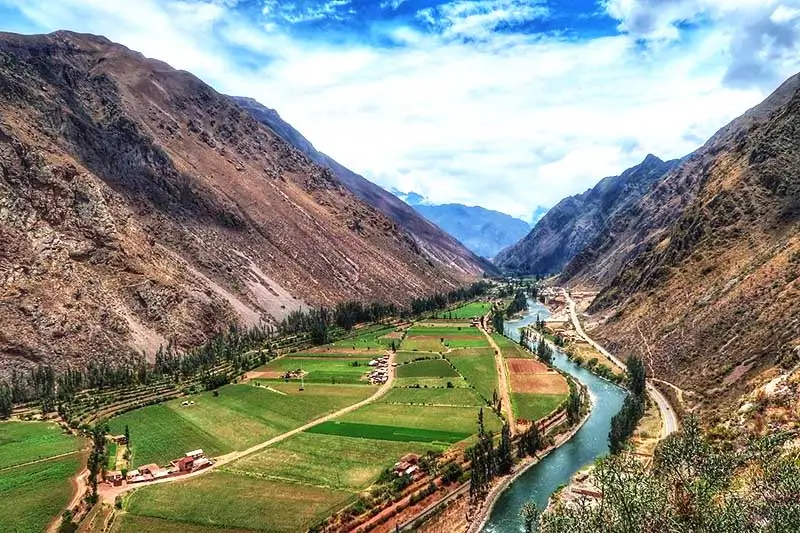
Experiential tourism in Cusco has become one of the most authentic and enriching ways to experience Andean culture. Unlike conventional tours, this approach invites travelers to live and share daily life with local families in the Sacred Valley of the Incas, actively participating in their customs, agricultural work, and traditional celebrations.
More than just a trip, it’s a profound cultural immersion, where the hospitality and warmth of the communities allow you to understand the essence of the Andean people.
What is experiential tourism?
Experiential tourism, or community-based rural tourism in Cusco, is a sustainable approach that promotes local development through the direct participation of local communities. Visitors are welcomed by families who host them in their homes, offering a unique experience that combines nature, culture, and learning.
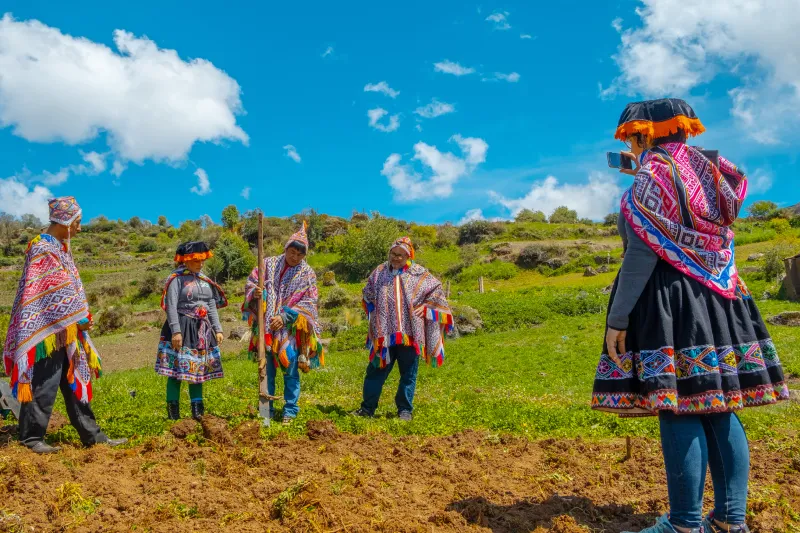
During these stays, travelers can participate in daily activities such as:
- Plant or harvest local products, such as native potatoes and quinoa.
- Learn ancestral techniques for weaving with alpaca wool.
- Participate in Andean rituals of gratitude to Pachamama (Mother Earth).
- Cook traditional dishes such as baked guinea pig or quinoa soup.
Communities Offering Experiential Learning in the Sacred Valley
Several communities in the Sacred Valley of the Incas have developed organized programs offering experiential learning experiences, tailored for both individual travelers and groups.
Some of the most renowned are:
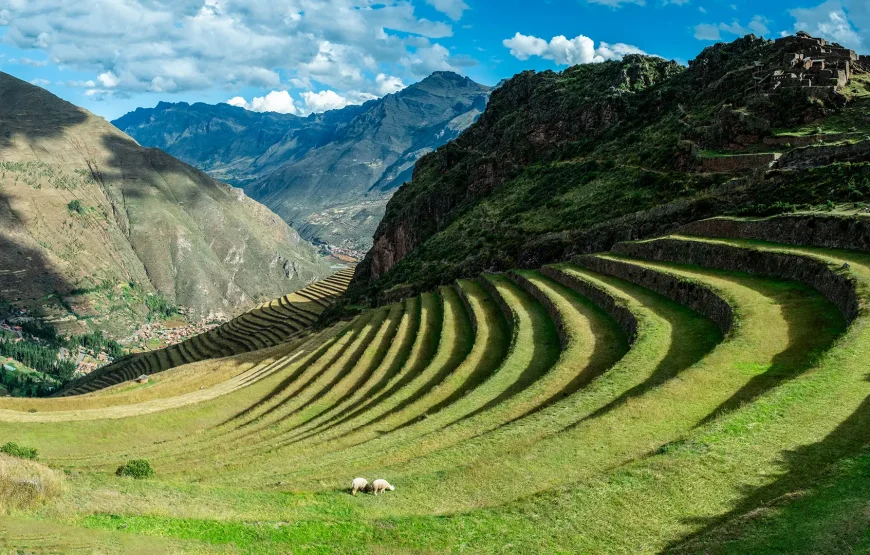
- Amaru Community (Pisac): known for its textile art and natural dye workshops.
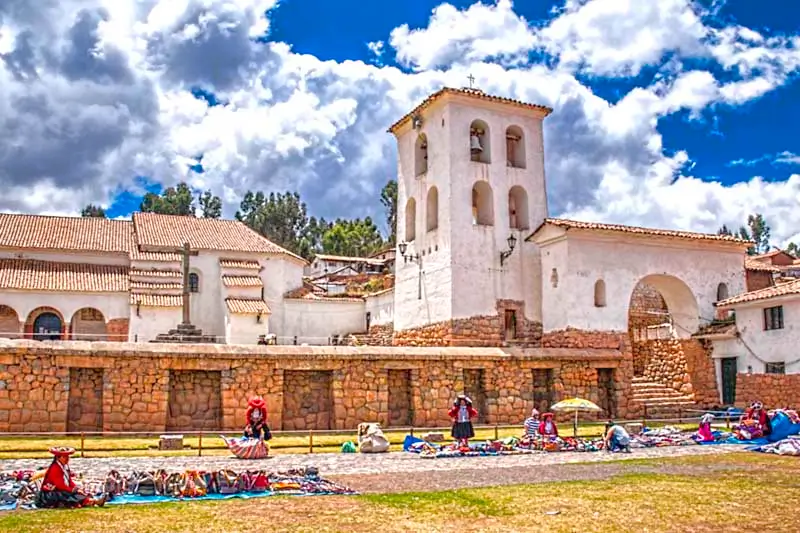
- Chinchero Community: offers weaving demonstrations, hiking, and family-run accommodations with views of the Chicón snow-capped mountain.
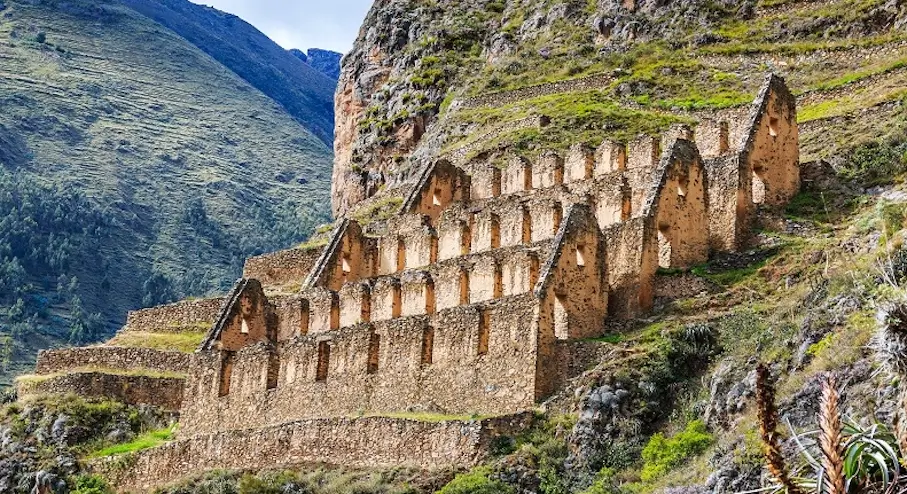
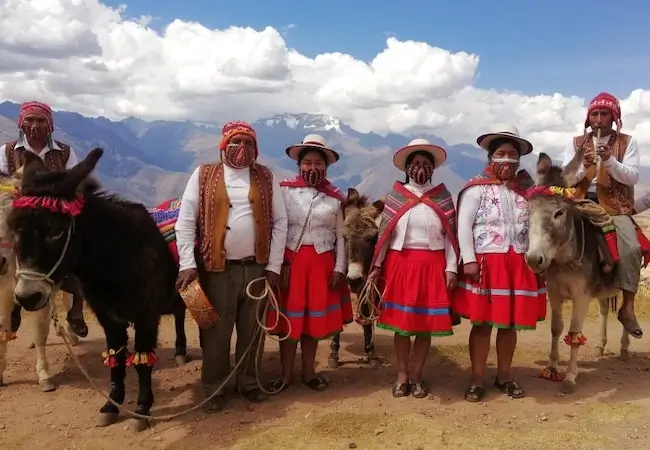
- Huilloc Community (Ollantaytambo): preserves Quechua traditions and allows visitors to immerse themselves in daily life.
- Misminay Community (Maras): combines rural hospitality with agricultural activities and spectacular landscapes.
Each community contributes its own cultural identity, but all share the same purpose: to preserve their ancestral heritage and share it with respect.
Benefits of Experiential Tourism for Communities and Visitors
Experiential tourism in Cusco not only benefits the local economy but also strengthens the social and cultural fabric of Andean communities.
For travelers, it means an emotional connection with the land and its people, far removed from mass tourism.
Key benefits:
- For communities: sustainable income, appreciation of their traditions, and empowerment of rural women.
- For travelers: transformative experiences, intercultural learning, and responsible tourism.
Tips for Enjoying Your Experience with Local Families in Peru
If you decide to participate in experiential tourism in the Sacred Valley, consider the following tips:
- Go with an open mind and respect: each community has unique customs.
- Learn a few words in Quechua: it’s a gesture greatly appreciated by the families.
- Avoid excess luggage: rural roads can be steep.
- Contribute responsibly: buying handicrafts or local products directly helps host families.
- Enjoy the Andean rhythm: here, time is measured by the sun, not by the clock.
In conclusion: an unforgettable experience
Experiential tourism in Cusco is an invitation to see the world from a different perspective: one of simplicity, respect, and connection with nature. By staying with local families in the Sacred Valley, you not only have an unforgettable experience, but you also contribute to the development of communities that proudly preserve their Inca heritage.