
El Coricancha Cusco is one of the most emblematic places in Peru, a symbol of the splendor of the Inca Empire and the encounter between the great cultures: the Inca and the Spanish. This temple, whose name in Quechua means “gold enclosure”, was the most important sanctuary of Tahuantinsuyo and, with the arrival of the conquerors, was transformed into the current Temple of Santo Domingo Cusco, a perfect example of architectural and cultural fusion.
The grandeur of the Temple of the Sun in Inca times
Before the arrival of the Spanish, the Temple of the Sun in Cusco, known as Qorikancha, was the most important spiritual and religious center of the empire. Within its walls, worship was given to Inti, the Sun god, considered the protector of the Inca pueblo.
The chroniclers reported that its walls were covered with sheets of pure gold, and that the interior gardens showed sculptures of plants and animals also made of precious metals. The brightness of the place was such that, while reflecting the light of dawn, the temple seemed to radiate fire, a tangible demonstration of the power and inca devotion of its solar deity.
The conquest and birth of the Santo Domingo Temple
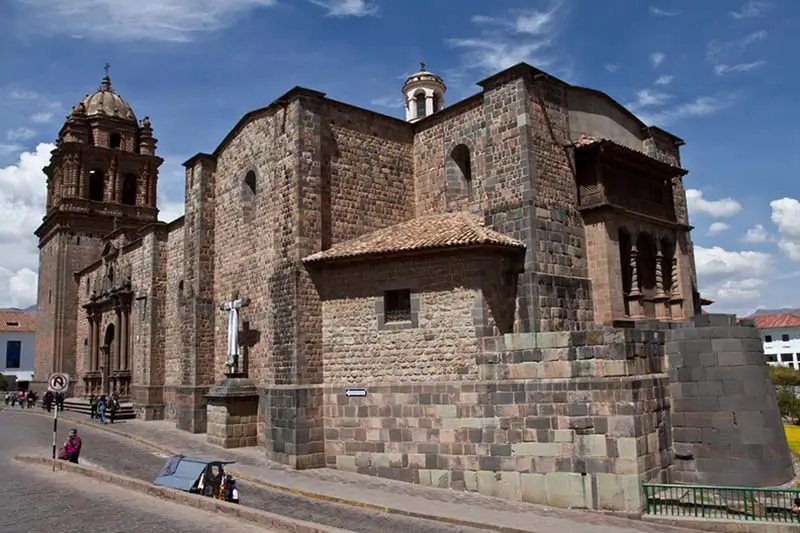
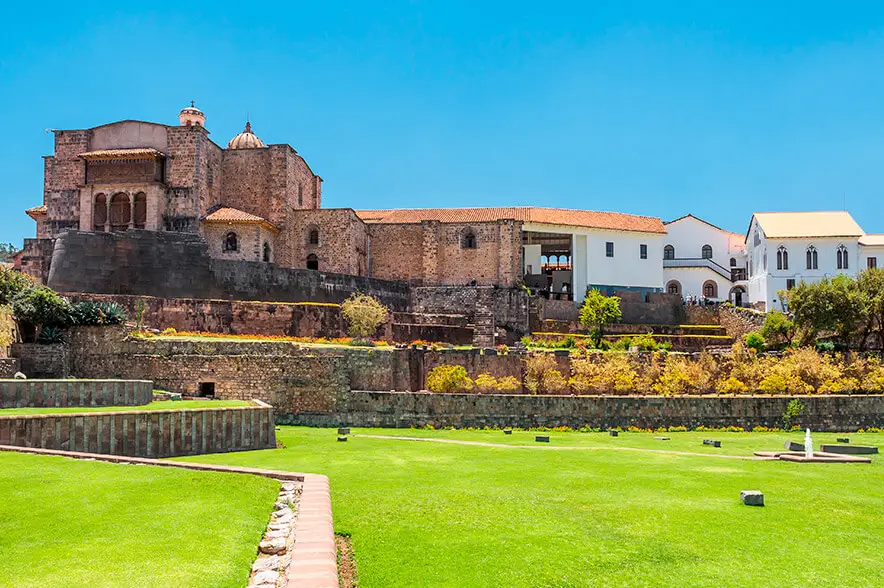
With the arrival of the Spanish in the sixteenth century, the Coricancha Cusco was handed over to the order of the Dominicans, who built the Temple of Santo Domingo Cusco on its base.
This superposition of styles —the firm Inca bases and colonial structures— symbolizes the union and contrast between two civilizations.
Despite the earthquakes that have affected the city along the Siglos, the Inca walls of Coricancha remain largely intact, demonstrating the advanced engineering and precision of Tahuantinsuyo’s builders.
Architecture: an Inca masterwork beneath a colonial temple
One of the most impressive characteristics of Qorikancha is its mampostería. The stone blocks were built and assembled without death, with a precision that today haunts engineers and architects.
The Dominicans, when building their temple, used these solid structures as cement, which allowed the whole to survive the seismic movements that destroyed a large part of the colonial city.
Nowadays, walking through the interior of the complex allows you to clearly observe the differences between both styles: the geometric and austere balance of Inca art together with the baroque and religious details of the Spanish era.
What to see on a visit to Coricancha Cusco
Visiting Coricancha Cusco is a journey through the living history of Peru
Among the most prominent spaces are:
- The Temple of the Sun, the main enclosure of the Inca sanctuary.
- El Templo de la Luna, where worship of the goddess Quilla was held.
- The Temple of the Stars, dedicated to the stars who guided agricultural life.
- The interior patio, from where you can appreciate the perfectly assembled Inca walls.
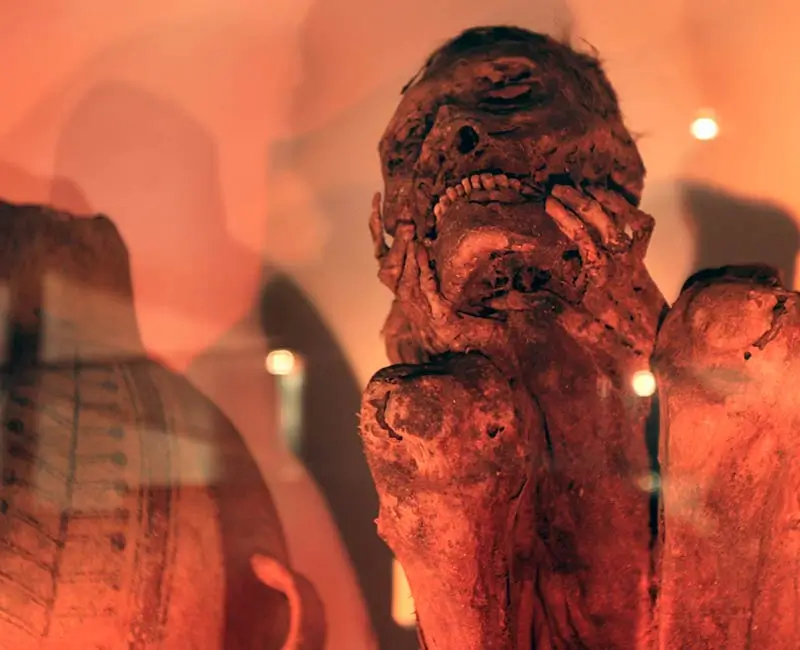
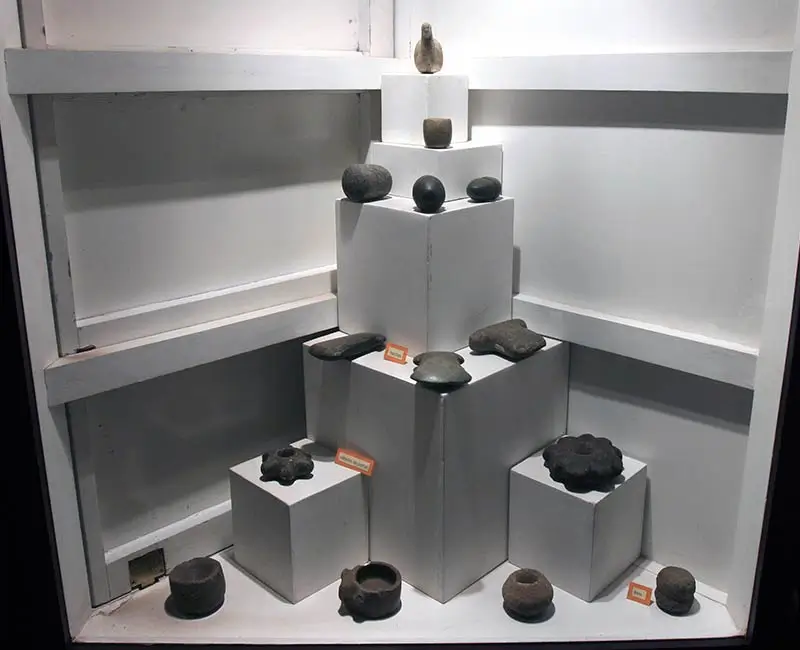
- The Coricancha Museum, which houses ceramics, textiles and ritual objects found in archaeological excavations.
Tips for your visit
- Location: The temple is located on Avenida El Sol, a few minutes from Cusco’s Plaza de Armas.
- Hours: Open daily from 8:30 a.m. to 5:30 p.m.
- Recommendation: It is suggested that you visit with a local guide to better understand the symbols and meanings of each space.
- Admission: Included in the Cusco Tourist Ticket or available for purchase separately.
Conclusion
Coricancha Cusco is much more than a tourist attraction; it is a testament to the living history of Peru, where Andean spirituality and European faith meet in one place. Whether you visit for its historical, architectural, or cultural value, Coricancha continues to remind the world of the wisdom and ingenuity of the ancient Incas, as well as the profound transformation brought about by the colonial era.